The Waterfront Buying Checklist: 10 Things to Check Before You Fall for the View
Every summer, I take buyers down to the shoreline and watch the same thing happen. The sun hits the water, they picture their morning coffee on the dock, and they're emotionally sold before we've said a word about the septic. I understand it completely — that view is the entire reason people buy on the water. But the buyers who are still happy five years later are the ones who let their head catch up with their heart before they signed anything. Whether you're looking at a year-round home on a quiet bay or a classic boathouse property on one of the big lakes, here's the checklist I walk every waterfront buyer through.
1. What's Under the Water, Not Just On Top of It
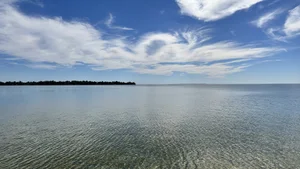
A gorgeous view doesn't tell you what the swimming is like. Walk to the end of the dock and ask: how deep is the water off the shore, and is the bottom sand, rock, or soft muck? Does it drop off quickly or stay shallow for fifty feet? Weedy shallows, mucky bottoms, and sudden rocky drop-offs all change how you'll actually use the lake. A shoreline can look beautiful in a listing photo and feel very different when you're trying to teach a grandchild to swim.
2. Which Way It Faces
Exposure is one of the most underrated factors in waterfront. A southwest-facing lot gives you afternoon sun and sunsets over the water — the gold standard, and priced accordingly. A north-facing lot sits in shade by mid-afternoon and runs cooler. On the bigger lakes, also ask which way the prevailing wind blows: an exposed shoreline takes a beating in a storm, while a sheltered bay stays calm. Neither is wrong — but you want to know before you buy, not after your first windy long weekend.
3. The Shore Road Allowance Question Nobody Asks
This is the one that catches people off guard. Many older waterfront properties in Ontario have a 66-foot "original shore road allowance" running along the water that was never formally purchased from the municipality. It can affect who actually owns the strip of land your dock or boathouse sits on. It's usually resolvable, but it needs to be flagged early — have your lawyer confirm whether the shore road allowance has been closed and conveyed to the property.
4. The Septic System
On the water, there's no municipal sewer — it's a septic system, and replacing one is a five-figure surprise nobody wants. Ask how old it is, what type it is, when it was last pumped, and whether it's ever been inspected. A system that's undersized for the number of bedrooms can also become a problem the moment you want to add on. Build a septic inspection into your conditions — it's cheap insurance against an expensive headache.
5. Your Water Source
Find out where the drinking water comes from: a drilled well, a dug well, or a lake intake. Each has trade-offs for reliability and quality. Whatever it is, make potability testing a condition of your offer. Clear lake water is not the same thing as safe drinking water.
6. How You Get There in February
Ask whether the road is municipally maintained year-round or a private, seasonally maintained road — and whether the property is water-access only. It affects your winter access, your insurance, your financing, and your resale down the road. A seasonal retreat can be wonderful — just go in with your eyes open about what that means in January.
7. Docks, Boathouses, and What's Actually Legal
Existing docks and boathouses are often "legal non-conforming" — grandfathered structures that today's rules wouldn't let you rebuild the same way. If a boathouse or large dock is part of why you love the property, confirm that it's permitted and understand your rights to repair or replace it before you count on it.
8. Water Levels and the High-Water Mark
This region has seen real flooding in recent years, and water levels swing from season to season. Ask about the property's history with high water, look at where the shoreline sits relative to the buildings, and watch for signs of erosion. A spring flood map and a conversation with the neighbours will tell you more than any listing ever will.
9. Connectivity
This used to be an afterthought. Now it's often a dealbreaker. If anyone in the household works remotely, confirm what internet and cell service actually exist at the property — not in the nearest town, but at the property itself. Coverage can vary dramatically from one bay to the next.
10. Insurance and Financing
Seasonal construction, woodstoves, distance to the nearest fire hall, and water-only access can all affect whether a property is straightforward to insure and finance — or not. Loop in your insurance broker and your mortgage advisor early, so there are no surprises between your accepted offer and your closing date.
Bill's Insider Take
After more than twenty years of walking buyers down to the water, here's what I've learned: the view sells the property, but the checklist keeps you happy. I've never had a client regret asking too many questions before they bought. I've had plenty wish they'd asked one more. Take the extra week. Walk the shoreline. Read the septic report. The right waterfront property will still be the right one after you've done your homework — and you'll own it with confidence instead of crossed fingers.
None of this is meant to scare you off the water — quite the opposite. Waterfront is some of the most rewarding property you can own in this part of Ontario, and there's nothing I enjoy more than helping people find the right one. The goal is simply to make sure the place that steals your heart also holds up to a clear-eyed second look. If you're thinking about buying on the water this summer and want someone in your corner who knows these lakes, reach out anytime.
Lake Country Real Estate Team | eXp Realty | Serving Simcoe County, Muskoka, Parry Sound, Kawartha Lakes & Haliburton