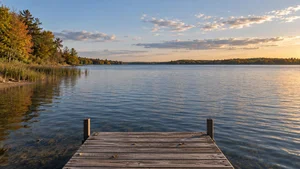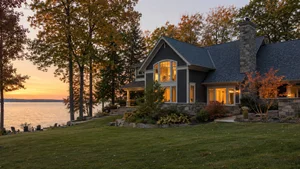
You've spent years building memories at that property. The dock, the Muskoka chairs, the mornings where the lake is so still it looks like glass. But now you're thinking about selling — and you want to do it right.
Selling a cottage is not the same as selling a house. The buyers are different, the motivations are different, the seasonality is different, and the rules around waterfront properties add a layer of complexity that trips up sellers who aren't prepared.
I've sold waterfront properties across Lake Simcoe, Muskoka, Parry Sound, Kawartha Lakes, and Haliburton. Here's what I tell every cottage seller before we put a sign in the ground.
1. Timing Is Everything — and Cottage Season Has a Different Clock
The cottage market moves on a different rhythm than the residential market. The window of peak buyer activity runs from late February through to the May long weekend — when Toronto families are dreaming about summer and motivated to act before the season starts.
A second window opens in September and October, when buyers who missed out in spring come back to the market. July and August see plenty of people on the water, but fewer serious buyers — they're already at their own cottages.
If your cottage shows best in summer — the dock in, the gardens full, the water warm — list in May so buyers can visit and picture themselves there through the season. If you wait until August, you've already missed the best window.
2. Waterfront Properties Come With Unique Rules — Know Them Before You List
Waterfront real estate in Ontario is subject to regulations that don't apply to a typical residential listing. Before you list, you need to understand:
- Shoreline restrictions — setbacks, dock permits, boathouse rules, and Conservation Authority regulations vary by municipality and watershed. Buyers will ask. You need answers.
- Septic systems — older cottages often have older systems. Buyers and their lawyers will flag this. Know the age, capacity, and last inspection date of your septic before listing.
- Water access vs. deeded access — this distinction matters enormously to value. "Water access only" and "deeded waterfront" are not the same thing and must never be misrepresented.
- Right-of-way issues — shared lanes, easements, and neighbouring access rights can all affect value and negotiation. Surface these early.
An experienced waterfront agent will walk you through all of this before the listing goes live. Surprises in the disclosure documents kill deals.
3. Pricing a Cottage Is an Art, Not a Formula
Automated valuation tools — the ones that spit out a number based on recent sales — are notoriously unreliable for waterfront properties. Here's why:
- Two cottages on the same lake can be worth dramatically different amounts based on lot shape, frontage, exposure, depth, and dock access.
- Comparable sales in cottage country are often thin — there may be only a handful of relevant transactions in a 12-month window.
- The "view premium" is real but not standardized — a south-facing lot with a long sunset view commands more than a north-facing lot with equivalent square footage, but no algorithm captures that reliably.
Pricing too high in cottage country is particularly costly. The buyer pool is smaller than in the city, and buyers are sophisticated — many have been watching the market for years. An overpriced listing sits, and a listing that sits raises questions.
4. The Presentation Has to Be Exceptional
Cottage buyers are buying a feeling as much as a property. They want to see themselves there — the morning coffee on the dock, the long summer evenings, the sound of loons across the water. Your listing has to sell that feeling.
That means professional photography and videography — ideally including drone footage that shows the lot, the water, and the surrounding landscape. It means the dock goes in before photos are taken. It means the Muskoka chairs are positioned for the shot. It means the boat is in the water, not on the lawn.
Most cottage buyers start their search online, often from Toronto. Your listing photos are doing the selling before they ever set foot on the property. They need to be extraordinary.
5. Know Who Your Buyer Is
The cottage buyer profile has shifted meaningfully over the past several years. Today's buyer is often:
- A professional or executive household from the GTA looking for a four-season retreat, not a seasonal camp.
- A remote worker who wants reliable internet, a proper workspace, and the option to be there more than eight weeks a year.
- A semi-retired or retiring couple downsizing from a large city home and upgrading their recreational property.
- An investor looking at short-term rental potential in a high-demand lake community.
Understanding who is most likely to buy your specific property — and marketing to them directly — is the difference between a fast sale at a strong price and a long listing that eventually discounts.
6. The Negotiation Is Different Too
Cottage transactions often involve elements that don't come up in a standard residential sale — chattels like boats, docks, and furnishings, closing dates timed around season end, and conditions related to septic inspections, well water testing, and dock permits.
An experienced waterfront agent knows where the value is, what's negotiable, and what to hold firm on. They also know that a buyer who's been watching Lake Simcoe or Muskoka for two years knows the market as well as you do — the negotiation needs to be handled with precision.
I've been selling waterfront properties across Simcoe County, Muskoka, Parry Sound, Kawartha Lakes, and Haliburton for years. I live on Lake Simcoe at Bonnie Beach in Ramara Township — this isn't just my market, it's my backyard.
If you're thinking about selling your cottage this season — or just want to understand what it's worth in today's market — let's have that conversation. No pressure, no obligation. Just honest information from someone who knows this market inside and out.
Lake Country Real Estate Team | EXP Realty Brokerage | EXP Luxury
CLHMS | GUILD™ — Institute for Luxury Home Marketing
📞 (705) 242-5764 | 📧 bill@lcre.team | 🔗 lakecountryrealestateteam.com
🗓️ Book a free 15-minute consultation
This post is intended as general market information. Waterfront regulations, zoning bylaws, and market conditions vary by municipality and change over time. Contact Bill Jackson for current, property-specific guidance.